

Modern SEO is no longer about gaming algorithms.
It’s about earning trust, demonstrating experience, and delivering clarity in a format both humans and AI can understand.
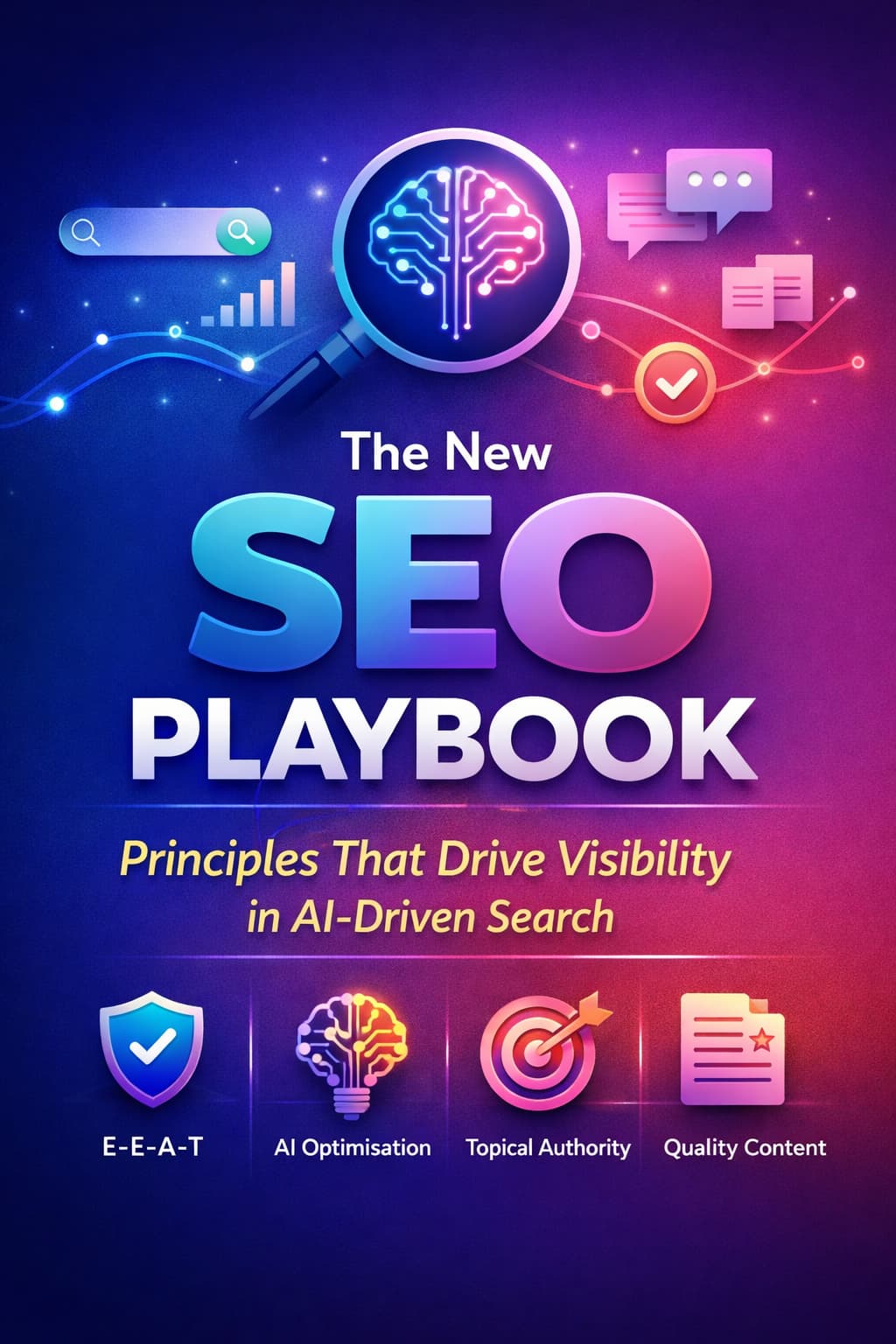
Search behavior has fundamentally changed. Traditional SEO, once focused on rankings, keywords, and clicks, is being reshaped by AI-driven search experiences such as Google AI Overviews, ChatGPT, Gemini, and other conversational platforms. Today, visibility is no longer determined only by position on a search results page but by whether AI systems understand, trust, and reference your brand as a credible source.
This shift has given rise to AI-first SEO strategies, often referred to as Generative Engine Optimization (GEO) and Answer Engine Optimization (AEO). These approaches prioritise topical authority, structured content, real expertise, and trust signals that large language models rely on when selecting sources for summaries, citations, and recommendations.
In this article, we break down 11 core SEO principles that define how brands earn visibility in AI-driven search. These principles are designed to help businesses, marketers, and publishers build lasting authority, improve zero-click visibility, and position their content for consistent inclusion in AI search results.
1. AI Is Now a Primary Discovery Layer
AI-driven search platforms have become a central discovery channel, not an add-on to traditional search. Users now find answers through AI summaries and conversational tools that select sources based on clarity, relevance, and trustworthiness rather than rankings alone. Brands must optimise for AI inclusion, not just search placement.
What this changes in practice:
- Discovery happens before clicks
- AI decides which brands appear in answers
- Visibility depends on the machine’s understanding
2. Visibility No Longer Requires a Click
Zero-click visibility means brands can gain exposure without website visits, as AI tools resolve intent directly within answers. Being mentioned or cited inside AI responses now functions as a new form of brand impression, shaping awareness and trust even when users never leave the platform.
Why this matters:
- Brand recall builds without traffic
- AI citations act like recommendations
- Presence replaces pageviews as a KPI
3. E-E-A-T Is a Baseline, Not a Bonus
Experience, expertise, authority, and trust are foundational requirements for AI and modern search engines when choosing sources. Systems prioritise content backed by first-hand knowledge, real outcomes, and clear credibility signals, making generic or thin content far less likely to be surfaced or cited.
Key trust signals include:
- Practical experience and examples
- Case studies, data, or screenshots
- Clear authorship and topic authority
4. Search Intent Shapes Every Outcome
AI-driven search evaluates content based on how precisely it satisfies user intent, not on length or keyword density. Content that directly answers whether a user wants to learn, compare, decide, or act is far more likely to be selected and reused by AI systems.
Intent-aligned content:
- Answers questions immediately
- Avoids unnecessary expansion
- Matches real user motivation
5. Authority Outperforms Volume
Topical authority now outweighs publishing frequency, as AI systems favor depth and subject mastery over content volume. Brands that build comprehensive coverage around a focused topic are far more likely to be trusted and cited than those producing large amounts of shallow or disconnected content.
Authority grows through:
- Deep topic clusters
- Logical internal linking
- Clear subject ownership
6. Content Must Be Structured for AI Retrieval
AI systems rely on a clear structure to accurately extract, summarise, and cite information. Even high-quality insights are overlooked if content is poorly organized, buried in long paragraphs, or lacks clear signals that define questions, answers, and supporting context.
Effective structure includes:
- Question-based headings
- Bullet points and lists
- Early summaries and clear sections
7. Trust Signals Matter More Than Raw Backlinks
AI evaluates authority using broader trust signals, not just backlink volume or metrics. Contextual mentions, editorial references, and associations with credible brands or experts often outweigh large numbers of low-impact links in determining which sources are trustworthy.
High-impact trust signals:
- Media and editorial mentions
- Expert collaborations
- Relevant internal link structures
8. Discovery Extends Beyond Traditional Search Results
AI-driven discovery continues beyond standard search results through ongoing citations, summaries, and recommendations. Once trusted, content can be repeatedly surfaced across platforms, creating long-term visibility that compounds over time rather than disappearing after rankings fluctuate.
This creates:
- Repeated brand exposure
- Cross-platform visibility
- Sustained discovery beyond SERPs
9. Brands Are Understood as Entities, Not Pages
AI systems interpret brands as entities with identities, relationships, and topical relevance rather than as isolated webpages. Clear and consistent brand information across content, citations, and trusted sources helps AI recognize who you are and when to reference your brand.
Entity clarity comes from:
- Consistent brand descriptions
- Topic associations
- Unified messaging across platforms
10. Freshness Signals Influence Selection
AI systems prioritize content that reflects current information, updated insights, and present-day relevance. Freshness is determined by accuracy and maintenance, not just publish dates, making regularly reviewed and updated content more likely to remain visible and cited.
Strong freshness signals:
- Updated examples and data
- Revised insights
- Time-aware context
11. Original Insight Is Harder to Replace Than Keywords
AI engines favor content that offers original insights they cannot easily replicate, such as proprietary data, frameworks, or expert analysis. Unique perspectives increase the likelihood of citations by adding value beyond what is already available online.
High-value originality includes:
- First-party research
- Custom frameworks
- Real-world benchmarks and analysis
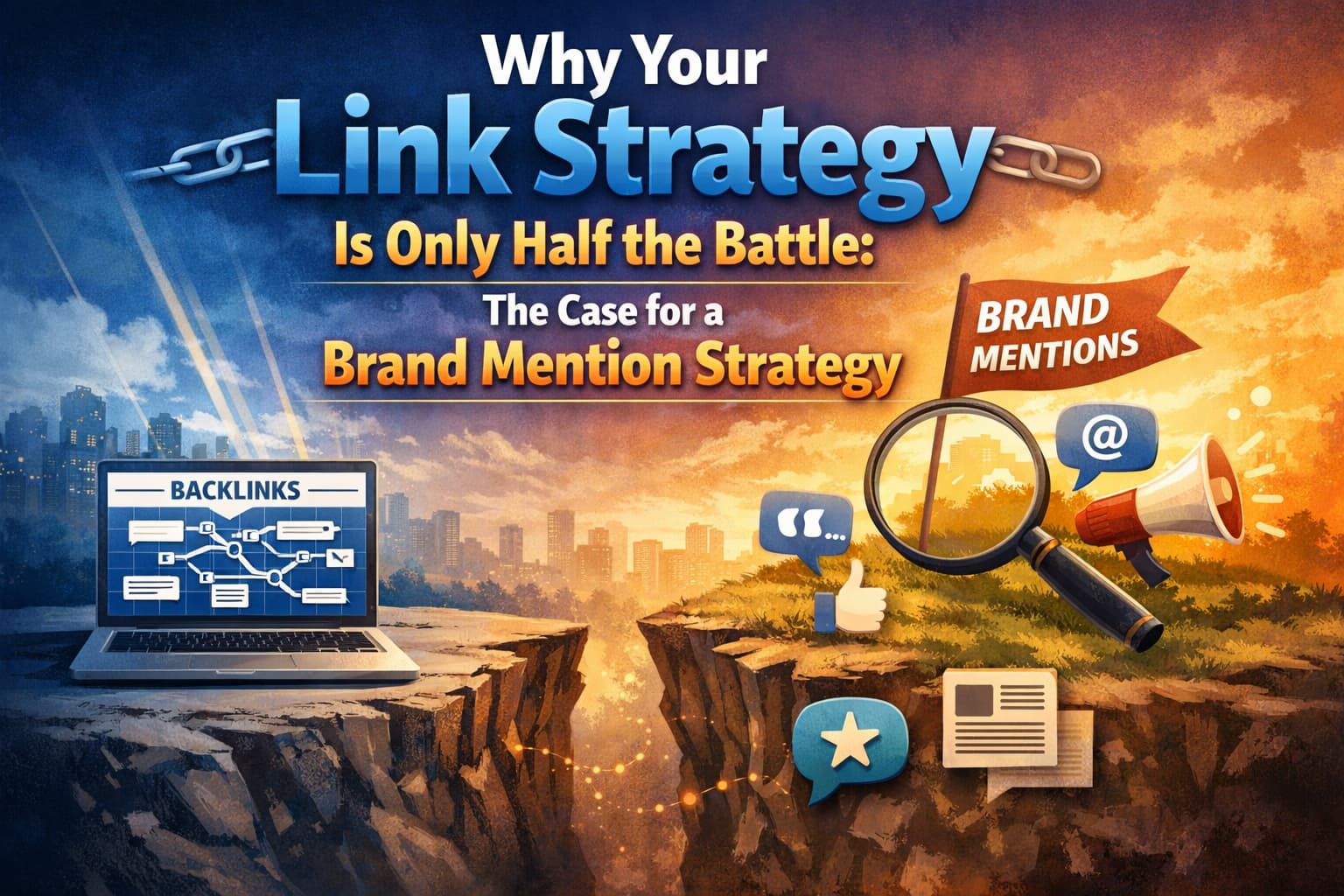
12. Brand Mentions Create Authority Even Without Links
Brand mentions contribute to authority signals even when no hyperlink is present, as AI systems evaluate contextual references, expert attribution, and publication trust rather than links alone. Unlinked mentions across credible sources help reinforce brand entities, credibility, and relevance, reshaping PR and digital branding into measurable SEO assets in AI-driven search.
Why this matters:
- AI recognizes brands through context, not just links
- Expert quotes and references reinforce trust
- PR visibility supports GEO and long-term authority
Closing Insight
The future of SEO is not about chasing algorithms, publishing at scale, or gaming keyword metrics. It’s about building trust, demonstrating real expertise, and delivering clarity at the moment of intent. As AI search continues to shape how users discover information, brands that prioritize experience, authority, and structured knowledge will consistently outperform those relying on outdated SEO tactics.
By applying these 11 principles of AI-driven SEO, you move beyond rankings and toward sustainable discovery. Optimizing for AI Overviews, chat-based search, and conversational engines ensures your content remains visible long after traditional SERP positions fluctuate. In this new landscape, success belongs to brands that understand how AI evaluates credibility, relevance, and usefulness.
Old SEO chased rankings.
New SEO earns trust — and trust is what AI rewards.
About This SEO Framework
This AI-driven SEO framework is developed and applied by Megrisoft, a long-established digital marketing and SEO services company founded in 1992 with over three decades of real-world experience. Since 1992, Megrisoft has worked with brands across multiple industries, markets, and search cycles, adapting strategies as search evolved from traditional SERPs to AI-driven discovery.
The principles outlined in this framework are based on hands-on SEO implementation, AI search behavior analysis, and evolving E-E-A-T standards, with a strong focus on Generative Engine Optimization (GEO) and Answer Engine Optimization (AEO). This approach prioritizes structured content, topical authority, credible brand signals, and real expertise to help businesses earn visibility inside Google AI Overviews, ChatGPT, Gemini, and other conversational AI systems.
Rather than relying on volume-based or outdated SEO tactics, Megrisoft’s methodology is built around trust, clarity, and long-term discoverability, ensuring content remains relevant, citable, and authoritative as AI continues to reshape how users find and consume information.
Frequently Asked Questions (AEO-Optimized)
What is AI-driven SEO, and how is it different from traditional SEO?
AI-driven SEO focuses on helping content be understood, trusted, and cited by AI systems such as Google AI Overviews, ChatGPT, and Gemini. Unlike traditional SEO, which prioritizes rankings and clicks, AI-driven SEO emphasizes intent, authority, structure, and real expertise so content can be reused directly inside AI-generated answers.
How does Google AI Overviews choose which content to cite?
Google AI Overviews selects content based on clarity, topical relevance, E-E-A-T signals, and how well an answer satisfies user intent. Well-structured content with direct answers, credible sources, real experience, and consistent brand authority is far more likely to be summarised and cited than generic or keyword-driven pages.
What is the difference between GEO and AEO in SEO?
Generative Engine Optimization (GEO) helps brands get cited by AI systems, while Answer Engine Optimization (AEO) focuses on clearly answering specific user questions. GEO builds authority and trust at an entity level, whereas AEO targets featured snippets, People Also Ask results, and conversational search queries with concise, direct answers.
Does zero-click search reduce the value of SEO?
Zero-click search does not reduce SEO value; it changes how success is measured. Being cited or mentioned inside AI answers builds brand visibility, authority, and trust even without website visits. In AI-driven search, visibility and recognition increasingly matter as much as traditional traffic metrics.
How can brands improve their chances of appearing in AI answers?
Brands can improve AI visibility by publishing intent-focused content, demonstrating real experience, structuring pages for easy extraction, and building authority through trusted mentions and depth of topical coverage. Consistent updates, original insights, and clear brand identity signals also help AI systems recognize and confidently reference a brand.
0
Leave a Comment